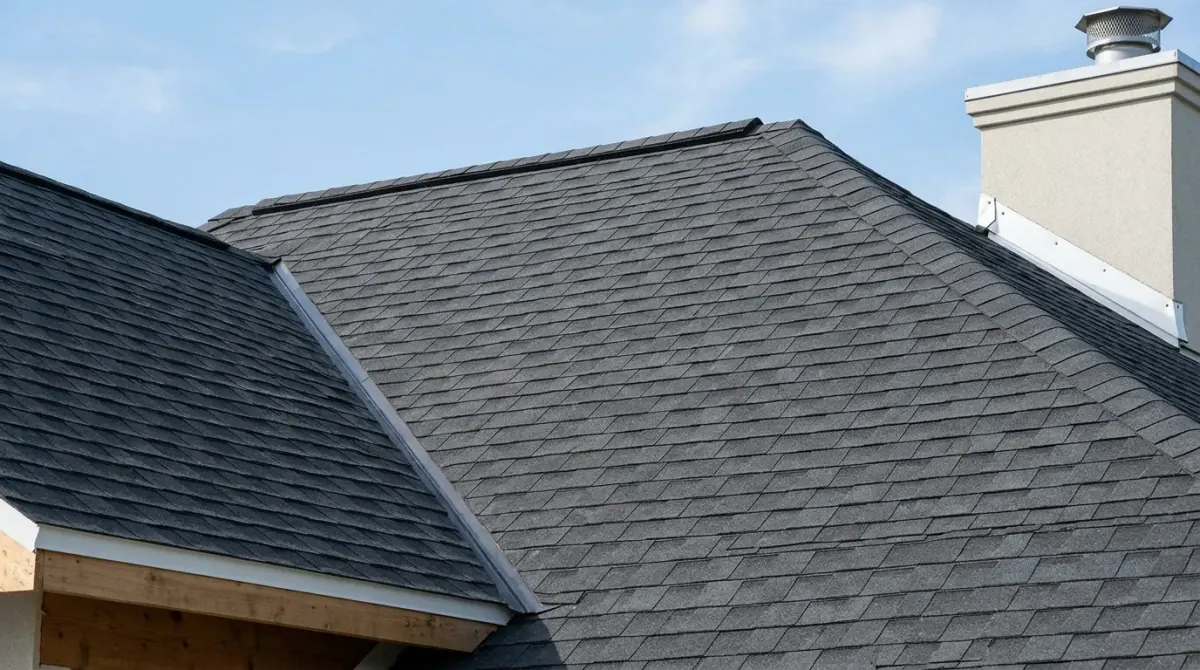
Connecting property owners across Vermont with experienced roofing crews. We deliver structural wood decking inspections, high-wind architectural shingle installations, emergency storm tarping, and commercial roofing across every county in Vermont.
Dedicated Roofing Contractor Protecting Properties Across Vermont
Aging asphalt shingles lose their protective flexibility after years of baking under direct sunlight in Vermont. Mineral granules gradually wash into downspout barrels, exposing the underlying fiberglass matting to rainwater and rapid oxidation. Homeowners frequently spot the first signs of wear when loose shingle corners curl upward along the roof edges or dark sediment piles up along perimeter flowerbeds and walkway pavers.
Postponing a necessary reroof allows wind-driven moisture to reach the plywood sheathing underneath, transforming simple shingle wear into extensive structural deck rot. Water seeps past compromised underlayment during routine seasonal downpours, softening rafter tails and soaking ceiling fiberglass insulation long before any indoor water discoloration appears on living room drywall.
A thorough diagnostic assessment by a skilled Roofing Contractor pinpoints whether targeted valley repairs can extend the roof lifespan or if an entire tear-off is the smartest financial path forward. Working with Local Roofing Pros gives property owners detailed photo evidence and transparent scope estimates before single shingles are lifted.
Comprehensive Roofing Solutions in Vermont
Roof Replacement: Complete tear-off, structural wood decking restoration, and precision installation of wind-resistant architectural asphalt shingles built for decades of weather protection.
Roof Repair: Targeted diagnostics and mechanical fixes for active ceiling leaks, wind-damaged shingle tabs, failing valley metal, and deteriorated plumbing stack collars.
Emergency Roof Repair & Storm Damage: Rapid-response structural tarping, wind-blown shingle mitigation, and fallen tree limb puncture stabilization to stop active interior water damage immediately.
Commercial Roofing: Durable single-ply TPO, EPDM, and modified bitumen roofing solutions engineered for flat and low-slope retail, industrial, and commercial properties.
Residential Roofing: Comprehensive home roofing installations featuring architectural laminate shingles, standing seam metal panels, and balanced convective attic ventilation systems.
Roof Inspection & Maintenance: Exhaustive multi-point rooftop and attic crawlspace evaluations, photographic storm damage certifications, and preventative sealant maintenance to maximize shingle lifespan.
Engineered roofing solutions for every property type in Vermont:
Ultraviolet solar radiation and ozone dry out neoprene rubber flashing boots over eight to twelve years, causing deep cracks around PVC plumbing pipes. Driven rainwater runs straight down the exterior pipe into attic insulation and ceiling drywall. Replacing aged pipe boots with silicone or heavy-duty lead sleeves eliminates these recurring roof leaks.
Low-pitch roofs with slopes below a two-twelve pitch cannot shed water quickly enough for overlapping asphalt shingles. These shallow surfaces require continuous waterproof membrane systems like modified bitumen or single-ply TPO with heat-welded seams. Slopes between two-twelve and four-twelve require double layers of underlayment to prevent capillary water back-up under shingles.
Open metal valleys utilize heavy-gauge painted aluminum or copper to channel high-volume storm runoff smoothly off intersecting slopes. Closed-cut valleys weave shingles across the valley line, creating a clean aesthetic that works well in milder climates. Open metal valleys resist ice abrasion and leaf buildup significantly better in heavily wooded areas.
Chipping at frozen ice dams with axes or shovels punctures underlying shingles and shatters cold, brittle roof edges. Ice forms when heat escaping through uninsulated attics melts snow, which refreezes at cold exterior eaves. Professional crews melt drainage channels with low-pressure steam or install self-regulating heat cables along roof valleys.
Balanced roof ventilation requires equal square footage of lower soffit intake vents and upper ridge exhaust vents to expel rising attic heat. Without steady air movement, attic temperatures can exceed 150 degrees, baking asphalt granules off the fiberglass matting. Trapped winter humidity can also rot rafters and saturate insulation.
Schedule Roofing Service in VT
Speak directly with our regional project coordinators. We evaluate your roof slope, materials, and ventilation to deliver an honest repair or replacement scope.
Prevent structural attic damage and drywall collapse. Connect with an experienced Roofing Contractor in Vermont for fast mitigation and honest evaluations.