Roof Inspection & Maintenance | Roofing Contractor
Exhaustive multi-point rooftop and attic crawlspace evaluations, photographic storm damage certifications, and preventative sealant maintenance to maximize shingle lifespan.
Technical Workmanship & System Scope
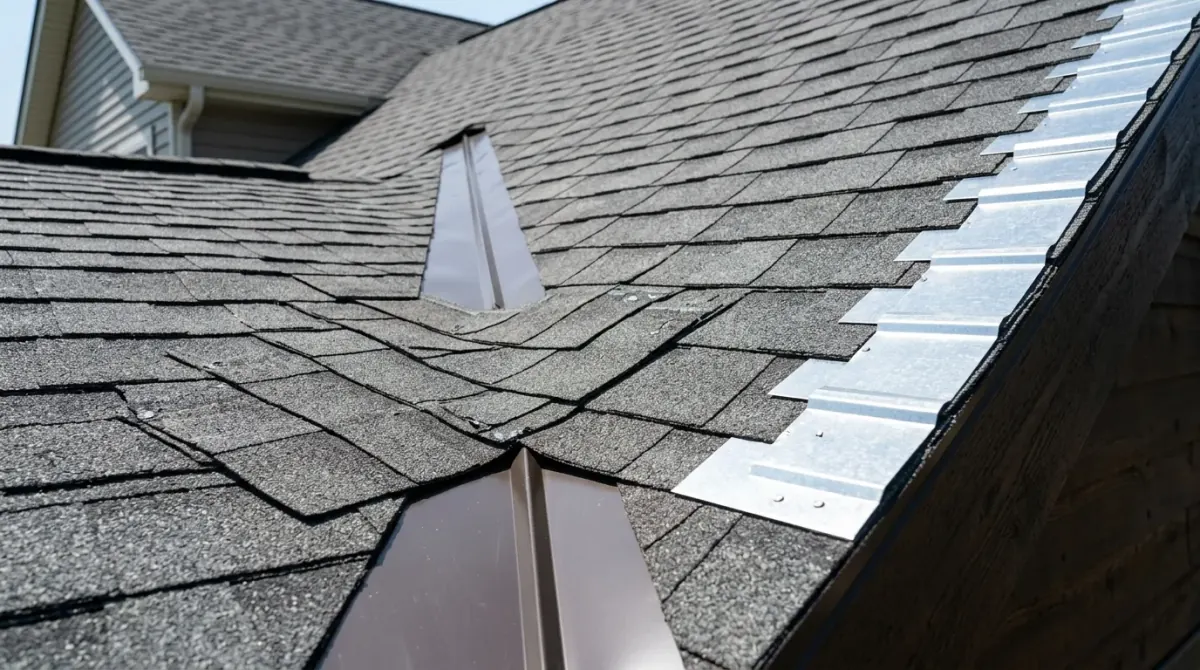
Minor roofing defects like cracked chimney counter-flashing, loose valley fasteners, or missing pipe boot collars often go unnoticed from the ground until water damages interior drywall. Our thorough multi-point roof inspections evaluate shingle granule retention, decking deflection, gutter drainage, and attic moisture levels to provide property owners with honest, actionable roof condition reports. We document all findings with timestamped high-resolution photos, providing certified roof assessments for real estate transactions, insurance renewals, and post-storm claims. Regular preventative maintenance, including resealing flashing joints and clearing valley debris, prevents costly emergency leaks and extends total roof service longevity.
Engineering Standards & Installation Specifics
Multi-Point Attic & Deck Scan
Technicians crawl attic spaces to check underside sheathing for dark water stains, mold, and rafter sag.
Timestamped Photo Reports
Every inspection includes high-resolution photos of flashing, shingle granules, and vents for insurance or real estate use.
Hail & Wind Impact Tracing
Inspectors identify granule bruising, fractured fiberglass mats, and creased shingles invisible from the ground.
Preventative Sealant Touch-Up
Minor counter-flashing cracks, exposed fastener heads, and failing pipe boots receive immediate polyurethane sealant.
Direct Scheduling Assistance
Speaking with a dispatch coordinator immediately clarifies scheduling availability, scope requirements, and material availability for your property.
Connect at 877-773-6880 →Frequently Asked Questions About Roof Inspection & Maintenance
Multi-point diagnostic scope: what specific components does a professional inspection evaluate? +
Qualified inspectors examine shingle granule retention, tab adhesion, plumbing boot collars, valley metal conditions, chimney step flashing, gutter slope, and attic ventilation intake. Checking attic rafters identifies hidden moisture leaks before interior ceilings show stains.
Hidden storm bruising: how do inspectors identify hail damage invisible from the ground? +
Roofers climb atop the roof and inspect metal vent caps, lead pipe boots, and shingle surfaces for circular dimples where protective granules were blasted away. Hail impacts fracture internal fiberglass mats, leading to water intrusion months after storms.
Real estate transactions: why do buyers and sellers require specialized roof inspections? +
General home inspections provide brief ground-level overviews but frequently miss hairline flashing cracks or soft decking spots. A certified roof inspection delivers an objective evaluation of remaining roof lifespan, preventing unexpected closing delays.
Inspection frequency: how often should property owners schedule preventative roof evaluations? +
Schedule professional roof inspections at least once every three years for roofs under ten years old, and annually for older roofs. Post-hailstorm or extreme wind inspections catch minor uplift before leaks damage attic insulation.
Condition documentation: what kind of report do homeowners receive after an inspection? +
Property owners receive an itemized condition report complete with timestamped high-resolution photos of all rooftop components. Reports detail priority repair recommendations, estimated remaining roof service life, and preventative maintenance needs.
Drone technology: can aerial camera flights replace physical hands-on roof inspections? +
High-resolution camera drones capture great aerial views of steep pitches, but cannot physically press shingles to detect soft, rotted decking or check pipe boot flexibility. Technicians combine drone overviews with hands-on physical evaluations for maximum accuracy.
Trapped insulation moisture: how do inspectors detect water under roof membranes? +
Electronic moisture meters and infrared thermal imaging trace thermal anomalies caused by wet insulation beneath membranes. Locating exact moisture boundaries prevents unnecessary replacement of dry roof sections.
Routine preventive maintenance: what simple tasks can owners perform between inspections? +
Clean gutter troughs twice yearly, trim overhanging tree branches back at least six feet from shingles, and periodically inspect attic crawlspaces with flashlights after heavy rainstorms. Never walk on steep roof slopes without fall-arrest equipment.
Protect Your Property Envelope With Professional Roofing Care
Contact our Roofing Contractor dispatch line for immediate answers regarding roof inspection & maintenance costs, scheduling, and structural solutions.