Roofing Contractor in Buffalo, IL
Restoring roof weather tightness safeguards your interior living space in Buffalo. From sudden storm damage and wind-creased shingle tabs to persistent valley leaks, our local roofing crews deliver lasting structural craftsmanship.
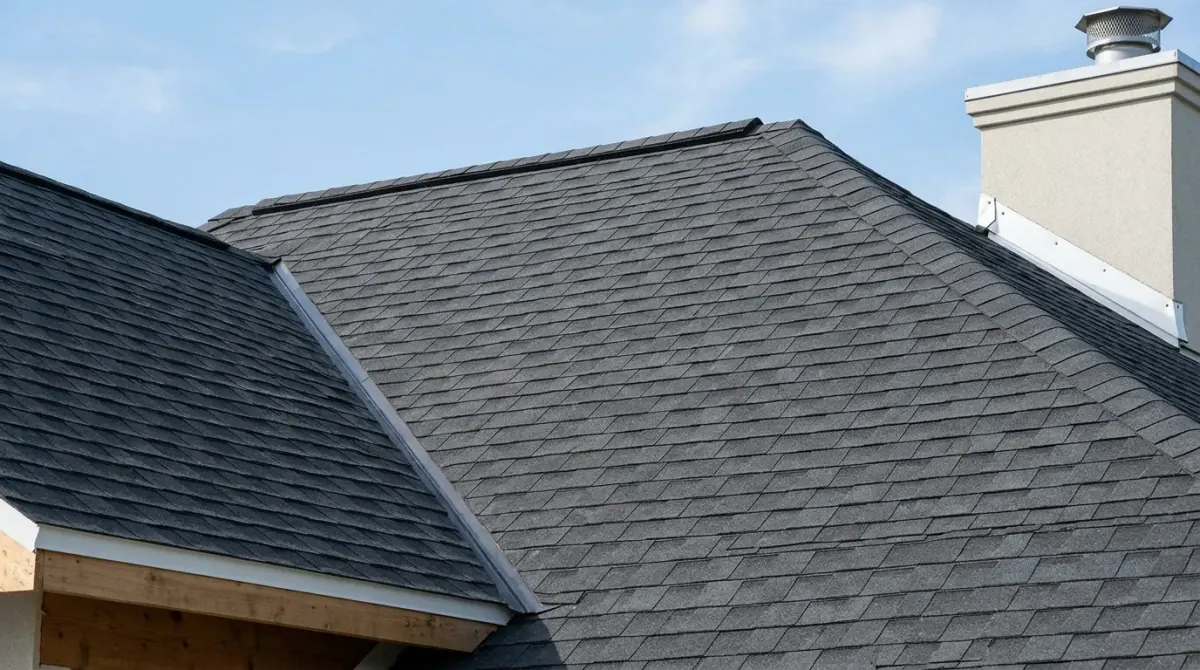
Experienced Roofing Contractor Serving Buffalo
Aging asphalt shingles lose their protective flexibility after years of baking under direct sunlight in Buffalo. Mineral granules gradually wash into downspout barrels, exposing the underlying fiberglass matting to rainwater and rapid oxidation. Homeowners frequently spot the first signs of wear when loose shingle corners curl upward along the roof edges or dark sediment piles up along perimeter flowerbeds and walkway pavers.
Postponing a necessary reroof allows wind-driven moisture to reach the plywood sheathing underneath, transforming simple shingle wear into extensive structural deck rot. Water seeps past compromised underlayment during routine seasonal downpours, softening rafter tails and soaking ceiling fiberglass insulation long before any indoor water discoloration appears on living room drywall.
A thorough diagnostic assessment by a skilled Roofing Contractor pinpoints whether targeted valley repairs can extend the roof lifespan or if an entire tear-off is the smartest financial path forward. Working with Local Roofing Pros gives property owners detailed photo evidence and transparent scope estimates before single shingles are lifted.
Roofing Services Available in Buffalo
- Roof Replacement: Complete tear-off, structural wood decking restoration, and precision installation of wind-resistant architectural asphalt shingles built for decades of weather protection.
- Roof Repair: Targeted diagnostics and mechanical fixes for active ceiling leaks, wind-damaged shingle tabs, failing valley metal, and deteriorated plumbing stack collars.
- Emergency Roof Repair & Storm Damage: Rapid-response structural tarping, wind-blown shingle mitigation, and fallen tree limb puncture stabilization to stop active interior water damage immediately.
- Commercial Roofing: Durable single-ply TPO, EPDM, and modified bitumen roofing solutions engineered for flat and low-slope retail, industrial, and commercial properties.
- Residential Roofing: Comprehensive home roofing installations featuring architectural laminate shingles, standing seam metal panels, and balanced convective attic ventilation systems.
- Roof Inspection & Maintenance: Exhaustive multi-point rooftop and attic crawlspace evaluations, photographic storm damage certifications, and preventative sealant maintenance to maximize shingle lifespan.
Our Restoration & Replacement Process
Initial storm response begins by assessing structural roof integrity and immediately installing heavy-duty protective tarps across damaged roof slopes in Buffalo. Fastening reinforced polyethylene covers over breached shingles prevents incoming rain from ruining ceiling drywall and attic insulation while permanent insurance repair plans are coordinated with adjusters and property managers.
Detailed photo portfolios showing hail bruising and wind-torn tabs are provided directly to your insurance claim adjuster to accelerate coverage approvals. Once approved, our team replaces fractured rafters, resheets damaged decking, and installs code-compliant shingles that restore full structural storm protection to your home.
Industry-leading roofing systems & manufacturer materials installed in Buffalo:
What Property Owners in Buffalo Are Saying
"Strong thunderstorm gusts lifted a section of starter shingles along our east gable rake. The technician arrived with heavy-duty asphalt sealant, hand-tabbed every loose shingle, and showed me before-and-after photos so I knew the wood deck was dry underneath."
"After noticing soft spots while cleaning my gutters, I worried the rafters were rotting out. The crew pulled up three rotted sheets of plywood decking near the valley, sistered new framing, and laid down ice barrier membrane before reshingling. Truly solid workmanship."
"Every time wind blew from the northwest, we heard loud rattling on the roof. The technician identified loose valley metal flashing that hadn't been nailed correctly by the original builder. He anchored the metal and sealed the transitions without trying to upsell us."
Local Service Area in Buffalo, IL
Questions About Roofing in Buffalo
Roofing Services across Sangamon County
Stop Active Roof Leaks in Buffalo
Prevent structural attic damage and drywall collapse. Connect with an experienced Roofing Contractor in Buffalo for fast mitigation and honest evaluations.